
Cancer, HealthCare, WingsMed
10 Common Questions and Answers About Cancer
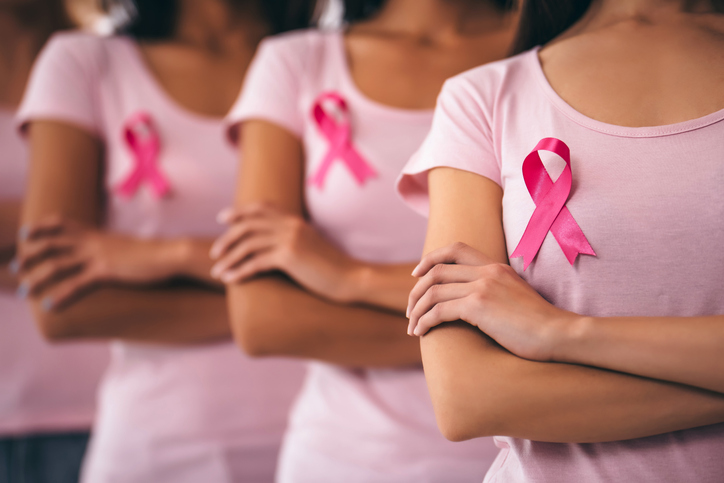
Cancer is a disease caused by abnormal cells that grow uncontrollably and spread into surrounding tissues. It is not a single illness but a collection of more than 100 different types, each originating in specific cells of the body.
1. What exactly is cancer?
Cancer occurs when genetic mutations interfere with a cell’s normal growth and division cycle. Instead of dying when they should, abnormal cells continue to multiply, potentially forming tumors or spreading into the bloodstream and nearby tissues.
2. Is cancer contagious?
No, cancer is not contagious. You cannot “catch” cancer like a cold or the flu through close contact, casual touching, or sharing items. However, certain viruses that can increase cancer risk (like HPV or Hepatitis B) can be transmitted, though the cancer itself cannot.
3. What causes cancer?
Cancer is fundamentally caused by gene mutations. These can be influenced by internal factors (like genetics) and external risk factors. Common external risks include tobacco use, poor diet, obesity, sun exposure, and exposure to harmful chemicals.
4. Is cancer hereditary?
Only about 5% to 10% of all cancers are strictly hereditary, meaning they are caused by an inherited gene mutation. In most cases, gene changes occur randomly during a person’s lifetime due to environmental exposures or natural aging.
5. What are the common early warning signs?
Symptoms depend on the type and location of the cancer, but general warning signs to watch for include:
-
- Unexplained weight loss
- Persistent fatigue
- New lumps, bumps, or swelling
- Changes in bowel or bladder habits
- Sores that do not heal or persistent coughing
6. Can cancer be prevented?
While you cannot eliminate your risk entirely, many cancers can be prevented or delayed. Risk-reduction strategies include avoiding tobacco, maintaining a healthy weight, exercising regularly, limiting alcohol consumption, and protecting your skin from UV rays.
7. What are the primary treatments?
Treatment depends on the type, size, and stage of the cancer. The most common treatments include surgery, chemotherapy, radiation therapy, immunotherapy, and targeted therapy. Often, a combination of these is used.
8. Why do people lose their hair during treatment?
Certain treatments, particularly chemotherapy, target all rapidly dividing cells in the body. While this effectively attacks cancer cells, it also impacts healthy cells that divide quickly, including the cells inside hair follicles, resulting in hair loss.
9. Is cancer curable?
Many cancers are highly curable, especially when detected in their early stages. “Cure” often means that the cancer has been successfully treated and will not return. For more advanced cancers, treatment may focus on putting the cancer into remission or managing it as a chronic illness.
10. Where can I find official, trustworthy information?
It is critical to rely on recognized medical and government organizations for cancer information. Excellent resources include:
- The National Cancer Institute for educational foundations.
- The American Cancer Society for detailed disease information and support resources.
- The World Health Organization for global statistics and prevention guidelines.
Note: This is for information purposes. Please contact and consult medical professionals for more information’s.
